2026: March
March: I can feel spring is around the corner and that makes me so incredibly happy!
It’s not a full arrival of spring — not yet. But something is shifting. The light lingers a little longer in the evening, the first little flowers blossom and the air carries that almost-sweet scent of the new season.
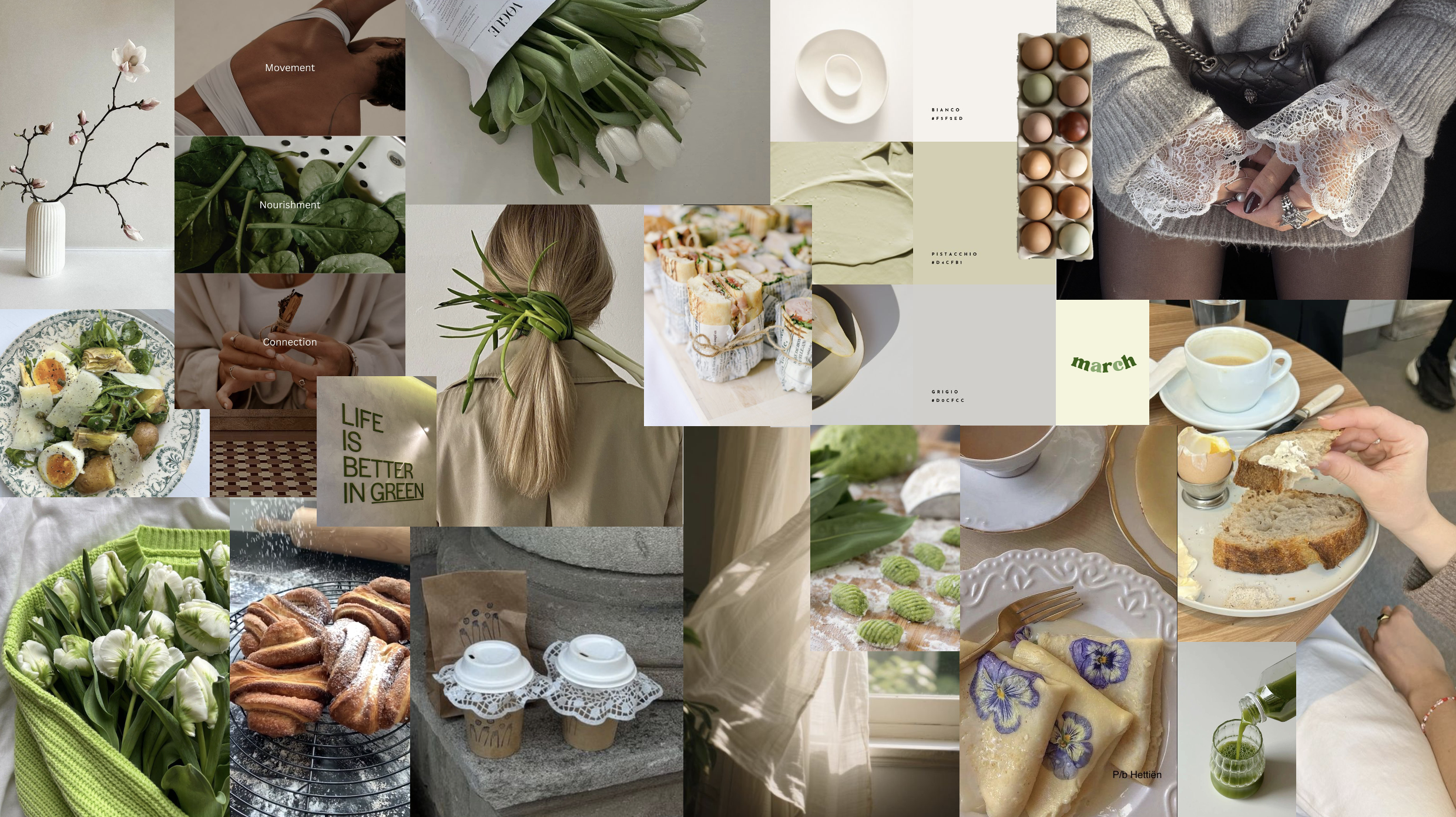
We are still cooking with roots. Still reaching for butter, cream, and slow warmth. But suddenly there are flashes of green. First spinach. Fresh wild garlic. The first rhubarb stalks, almost aggressively pink against grey days.
The palette reflects that shift:
Soft cream and warm stone.
The pale yellow of returning sunlight.
Tender greens — pistachio, sage, new grass.
A shock of rhubarb pink.
Deep beetroot and earthy brown still anchoring it all.
March changes my energy every year. Without forcing it, I feel more motivated, a little more outgoing. It’s the month where spontaneity feels right again. Open a window, let some fresh air in, buy the first tulips and text friends to meet up for a coffee and a stroll.
That’s why March feels perfect for a casual weekend lunch with friends at home. Just an easy table, a few seasonal dishes laid out to share, maybe some drinks. If you’re lucky, the sun is warm enough for an apéritif outside on the balcony or in the garden.



A sharing menu:
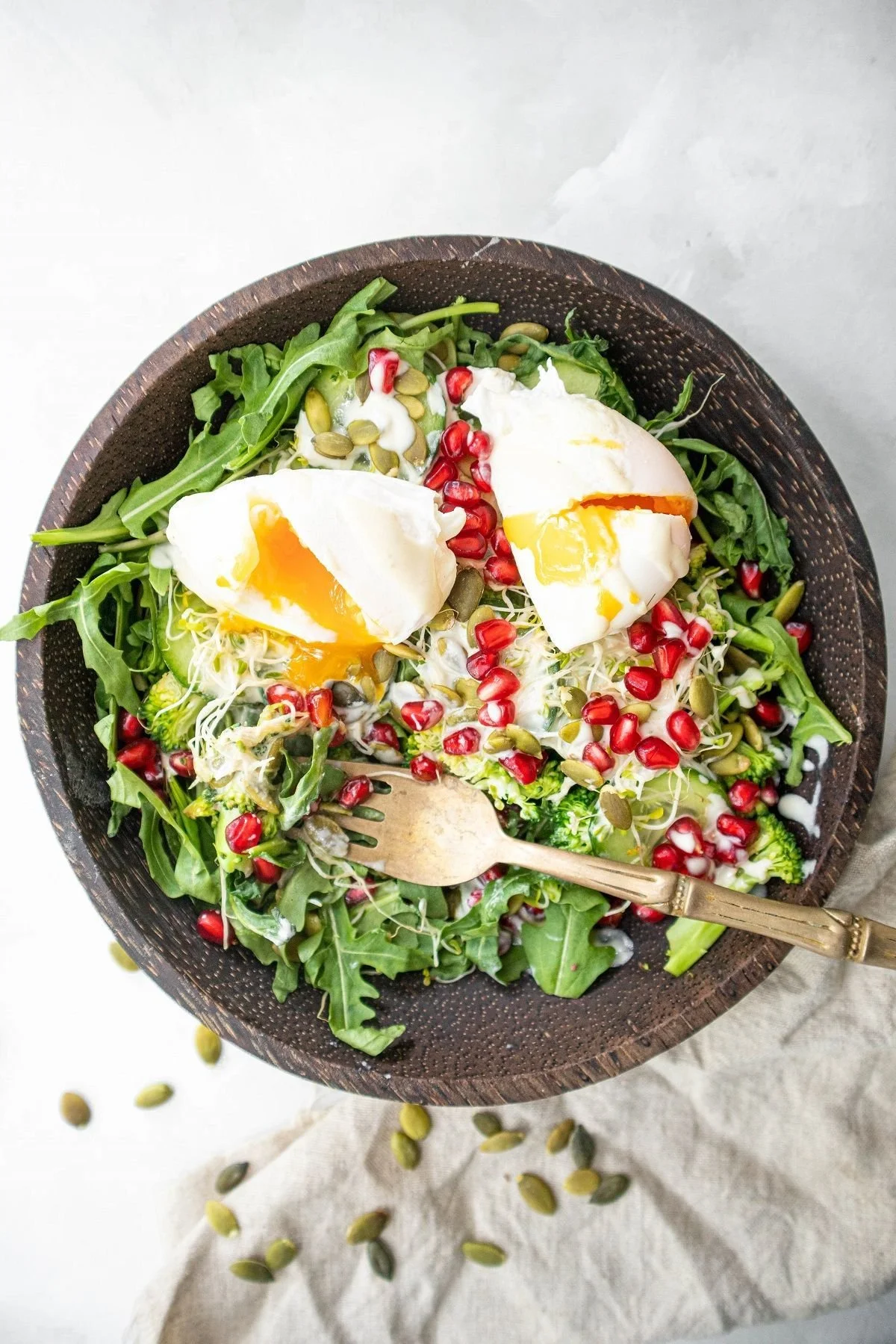
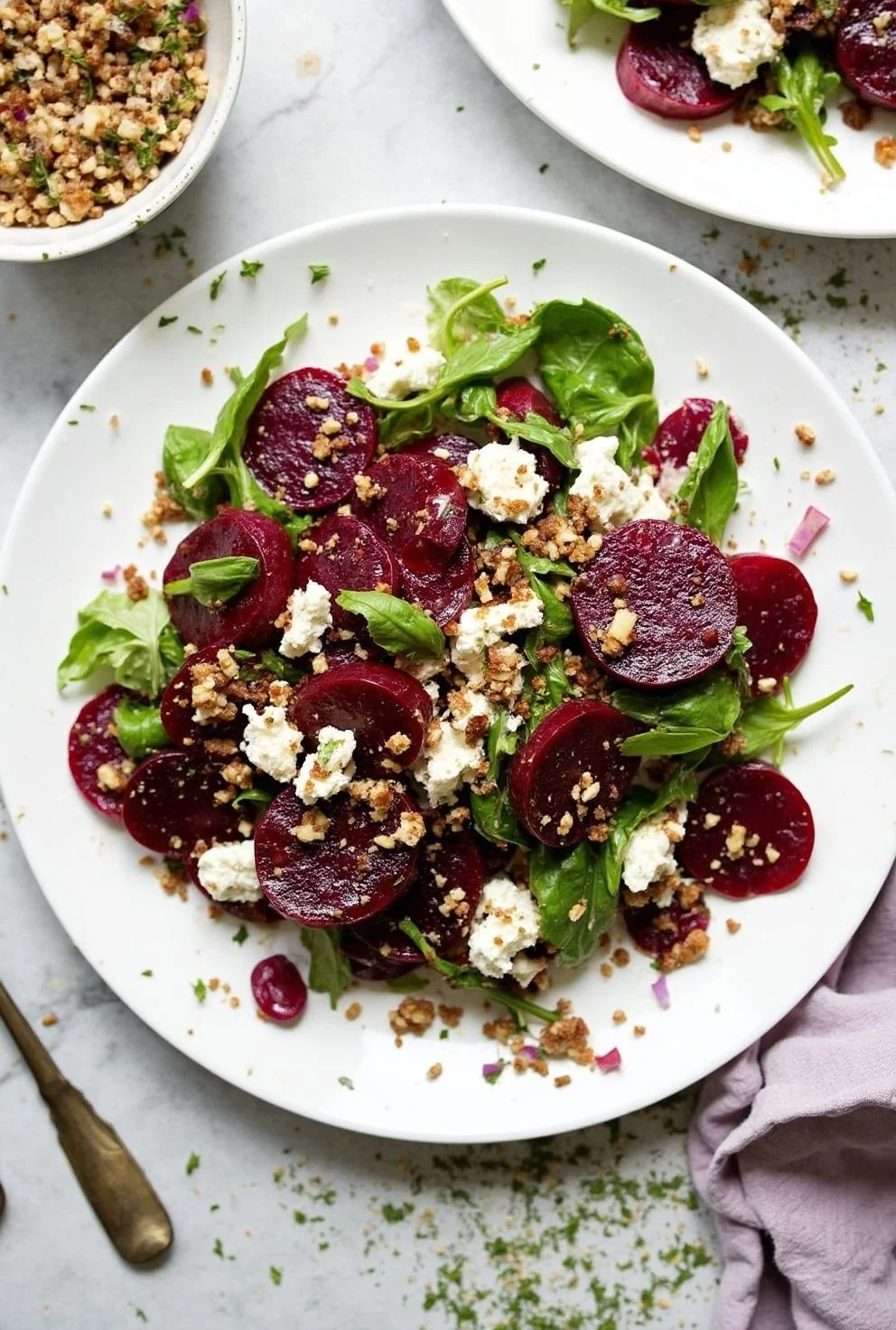
Beetroot salad with goat cheese and toasted seeds and simple green salad with first rocket and soft-boiled eggs
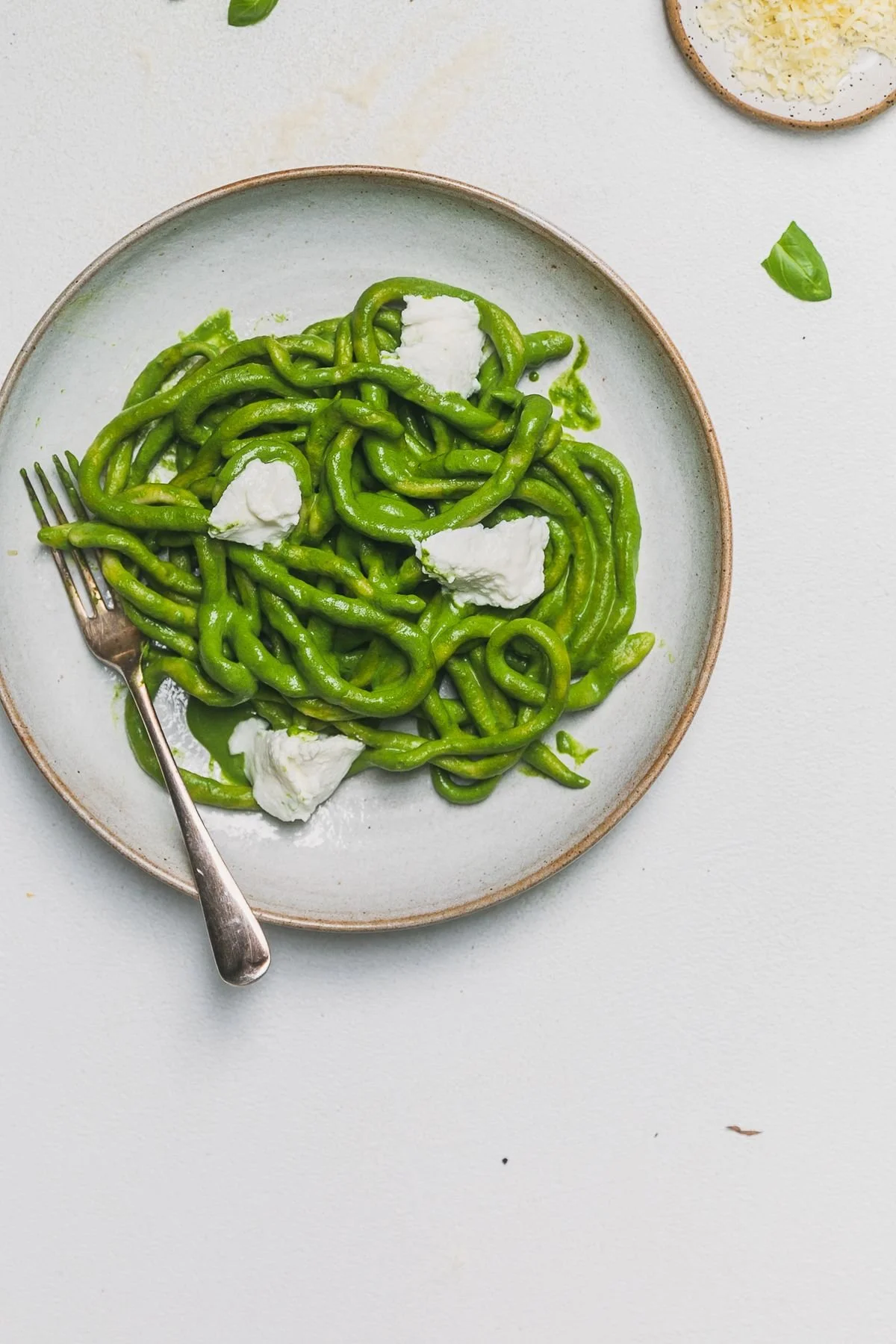
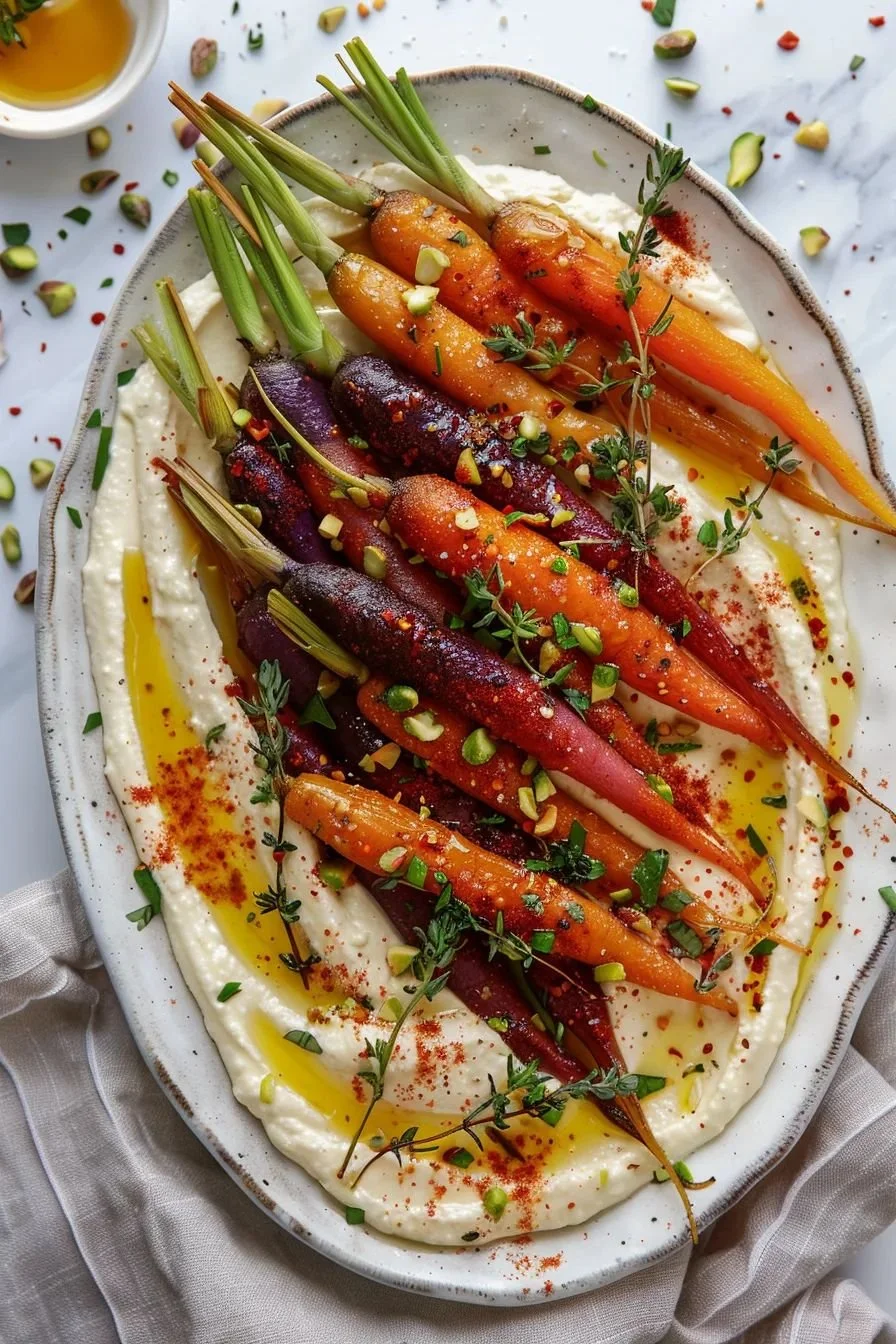
Homemade fresh spinach paste (Schupfnudeln) with brown butter and lemon garlic pesto, roasted carrots with honey and thyme
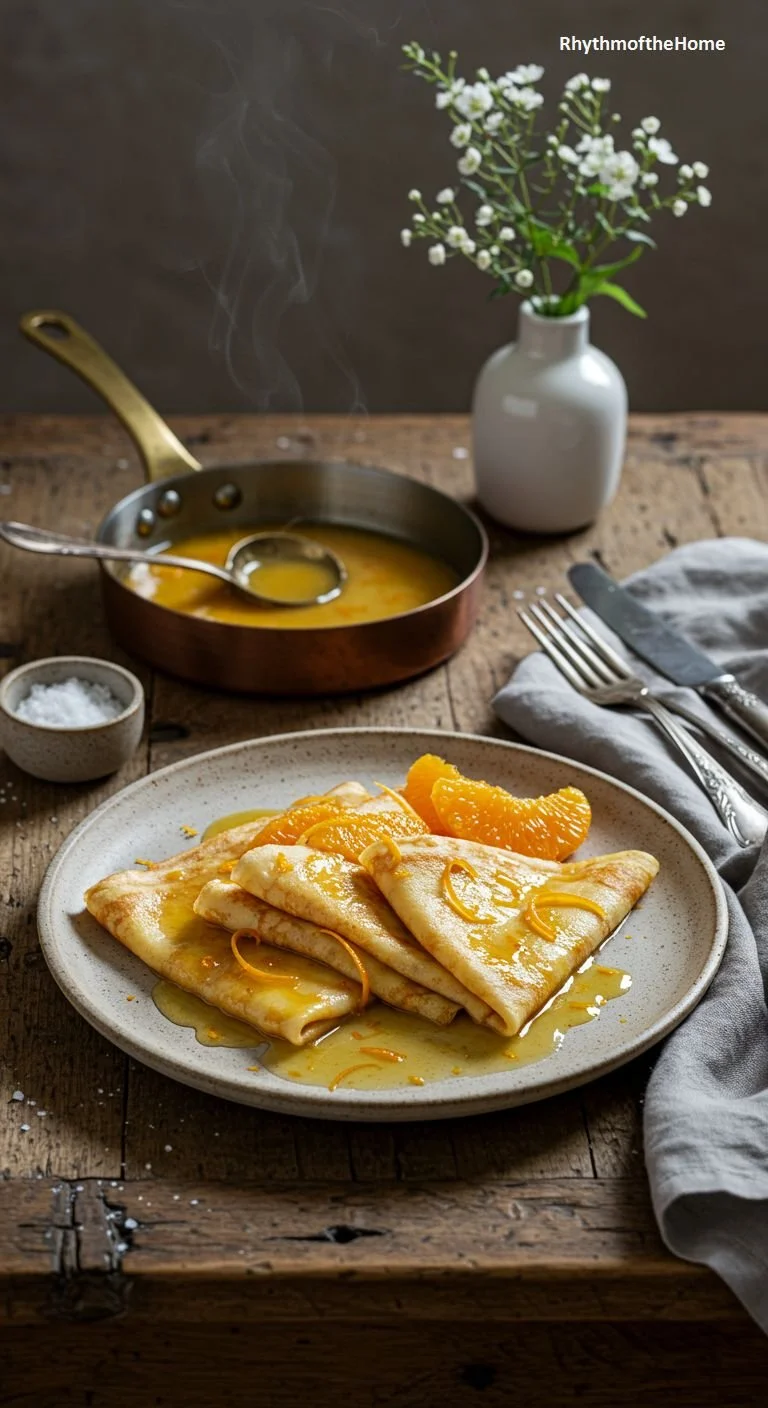
Rhubarb cake with vanilla cream and Crêpe Suzette
This time, there are two starters, two mains, two desserts. Everything placed in the middle of the table, sharing style. Everyone takes what they feel like, goes back for more, skips something else. It keeps the table alive.
This — like all my menus — is seasonal, but never predictable.
The beetroot salad arrives deep and jewel-toned. Earthy, slightly sweet, balanced by the tang of goat cheese and the quiet crunch of toasted seeds. It grounds the table instantly.
Next to it, a simple green salad — first rocket, still delicate and peppery, with soft-boiled eggs just set. The yolks melt into the leaves, turning something minimal into something generous.
The fresh spinach pasta are the clearest signal that green is back. Pillowy, fragrant, almost impatient in their brightness. Brown butter gives warmth and depth, while the lemon garlic pesto lifts everything, cutting through richness with a soft citrus edge. You can prepare the noodles in advance and simply boil and toss them in butter when your guests arrive. Or, even better, turn them into part of the gathering. Rolling the dough together at the kitchen counter, lightly dusted with flour, glasses nearby. It’s the kind of cooking that doesn’t interrupt the afternoon but becomes part of it. Hands working, laughter in between, someone shaping them slightly too big, someone else perfecting the ridges.
And somehow, after putting in a little effort together, they taste even better.
Served alongside, roasted carrots, caramelized at the tips, honeyed, scented with thyme. They remind us that roots are still with us. Winter hasn’t disappeared; it’s simply softened.
And then dessert shifts the mood again.
Rhubarb cake — sharp, pink, unapologetic — balanced by cool vanilla cream.
Crêpe Suzette closes the table with a little drama. Thin crêpes bathed in orange and butter, glossy and fragrant. A nod to brightness and to citrus.
Recipe: Spinach Pici Pasta
The word pici describes the pasta’s distinctive shape. Pici is a traditional pasta from Tuscany, particularly around Siena. The name comes from the Italian verb “appiciare”, meaning “to roll by hand”.
The pasta are thick, like chunky spaghetti, hand-rolled, rustic and slightly uneven. Usually they are made from just flour and water.
For this version, we’re giving the classic recipe a little twist by incorporating spinach into the dough, creating a vibrant green color and a subtle, fresh flavor.
I first came across this recipe on Instagram while searching for inspiration. Later, I discovered that Jamie Oliver originally published his Spinach Pici Pasta recipe already in 2016 as part of his Super Food Family Classics collection. The simplicity immediately caught my attention. I remember thinking: if it’s truly this easy and the flavor lives up to the promise, it could easily become one of my all-time favorites.
And it did.
That’s exactly why I’m so excited to share it with you here.
This recipe will serve 4 people.
Ingredients
For the Pici:
200g baby spinach
300g Tipo 00 or plain flour, plus extra for dusting
olive oil
A pinch of salt
For the pesto:
200g Parmesan cheese
2 big bunches of fresh basil (60g each)
2 cloves of garlic
100g pine nuts
100g blanched almonds
1 lemon
100ml extra virgin olive oil
Instructions
The pici:
Step 1: Add spinach and flour to a food processor and blitz until it naturally forms a dough ball. Let the machine do the work. Touch it — you’re aiming for a soft, playdough-like texture. If it feels sticky, add a little more flour and pulse again.
Step 2: Tear off small pieces, about 2cm wide. On a clean surface, roll each one into long, thin strands, roughly the thickness of fine green beans.
They don’t need to be perfect. (The beauty is that they’re all different, so get little helpers involved, if you can).
Step 3: Cook the pici straight away, or leave them to dry out for a few hours, or even overnight.
Step 4: Add the pici to your pan of boiling salted water. If it’s freshly rolled it will only need about 5 minutes, but if you’ve let it dry give it 8 to 10 minutes, checking on it to make sure you get lovely al dente pasta.
The pesto:
Step 5: Making pesto is such an easy thing to do, you’ll wonder why you’ve never gotten into the habit of doing it from scratch before. The quantities I’ve given you here mean you can utilize whole packets of Parmesan and nuts, and the method is so simple anyone can do it. This is one of those incredible recipes where minimum effort gives you maximum flavour, every time.
Step 6: Break the Parmesan into a food processor (discarding the rind). Rip in the leafy basil, discarding only the tougher base of the stalks.
Step 7: Peel and add the garlic, and tip in the pine nuts and almonds.
Step 8: Finely grate in the lemon zest, squeeze in all the juice, and pour in the oil. Blitz until fairly fine in consistency.
Step 9: The fresh pesto will keep well in the fridge for up to 3 days, and it freezes brilliantly. The easiest thing to do is to portion the pesto you’ll not be using immediately into a silicon ice tray and pop them in the freezer. It’ll be good for at least 3 months.
Step 10: To use from frozen, simply defrost overnight in the fridge, or whack it straight into a pan to melt.
Step 11: Toss the pici in a frying pan with browned butter. Mix with fresh pesto, top off with pine nuts and burrata if you like and serve.
